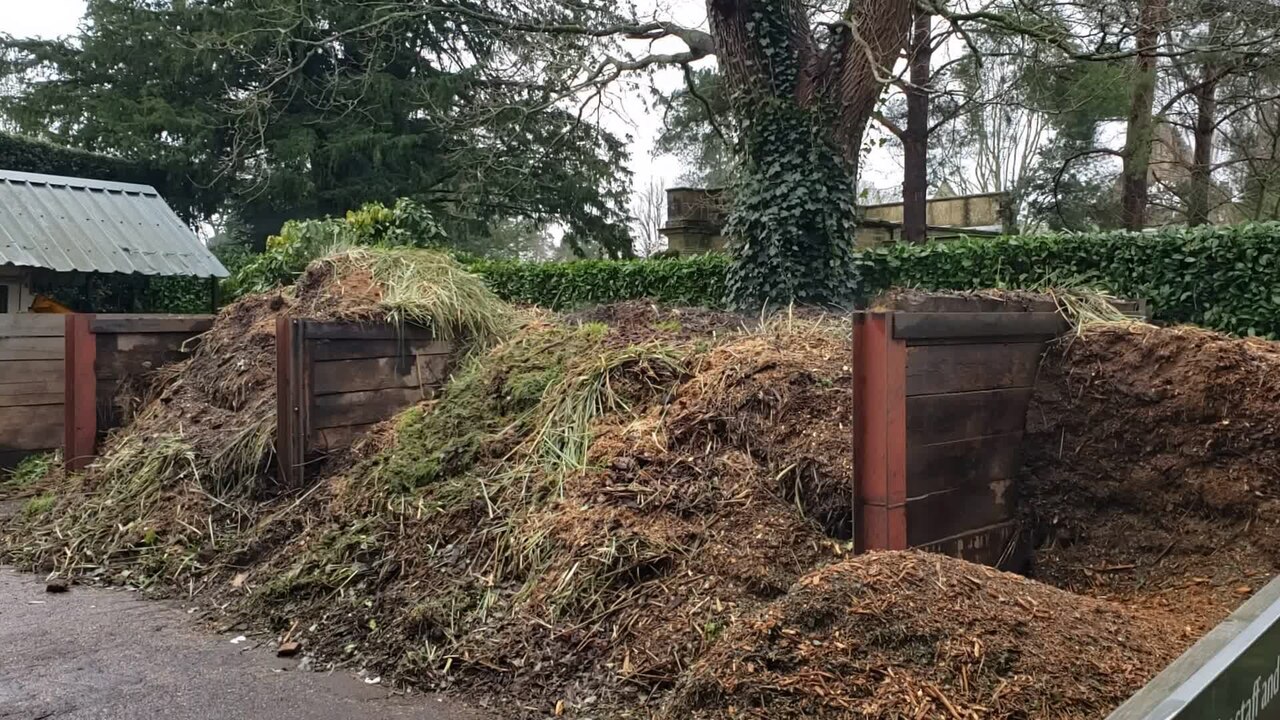
Hot vs. Cold vs. Bokashi: Which Method Actually Wins?
Every composting method makes a promise. Hot composting promises speed and sanitation. Cold composting promises zero effort. Bokashi promises zero odor and the ability to process meat and dairy. This article compares them head-to-head on the numbers that matter — speed, pathogen kill, effort, and the quality of the end product.
Affiliate disclosure: the four product links below are Amazon affiliate links. We may earn a commission if you buy through them, at no extra cost to you.
The three methods in one table
| Parameter | Hot composting | Cold composting | Bokashi |
|---|---|---|---|
| Typical time to "usable" | 2–4 weeks | 3–12 months | 2 weeks (but not finished compost) |
| Peak temperature | 55–70°C | Ambient (10–30°C) | Ambient |
| Pathogen kill | Yes, with sustained 55°C+ for 3+ days | Minimal to none | None (inhibited, not killed) |
| Weed seed kill | Yes, if 60°C+ sustained | Some (larger seeds) | No |
| Meat / dairy / grains | Yes (best for sanitation) | Yes, but slow and attracts pests | Yes, this is its strength |
| Yard waste (leaves, grass) | Yes, but needs balancing | Yes, ideal | Poor choice (carbon-rich, low yield) |
| Aeration | Turn every 3–5 days | Occasional turning (monthly) | None (anaerobic) |
| Odor during process | Little if well-aerated | Little if managed, can go sour | Sour vinegar / pickled (normal) |
| Space required | Medium (1–2 m³ min) | Low to medium (pile or bin) | Very low (sealed bucket) |
| End product | Sanitized compost, ready to use | Compost, quality varies | Fermented feedstock, needs burying or bin composting |
Hot composting: fast, sanitized, demanding
Hot composting is the only method that reliably kills pathogens, weed seeds, and parasite eggs. The mechanism is straightforward: sustained temperatures of 55–70°C for 3–7 days denature the proteins that keep these organisms alive. This is why the EPA and most regulatory bodies accept properly managed hot compost as "sanitary" for use on food crops.
The tradeoff is labor. A hot pile must be turned every 3–5 days to re-aerate it, and it must be large enough (generally 1 m³ or more) to generate and retain heat. Small piles simply cannot thermophilize — the heat radiates away faster than the microbes can produce it. Our full breakdown of the thermophilic phase, including the factors that determine whether a pile reaches temperature, is in Microbial Succession in Composting.
When to choose it
- You are composting manure, pet waste, or materials that may carry pathogens.
- You want compost fast (2–4 weeks rather than months).
- You have the space and discipline to turn the pile on schedule.
The most common failure modes
- Stalling in the mesophilic phase: the pile never reaches thermophilic temperatures because it is too small, too dry, or too carbon-rich.
- Over-aeration: turning more than every 3–5 days cools the pile and extends the process.
- Compaction: dense materials (grass clippings, wet food scraps) can mat and create anaerobic pockets even in a large pile.
Cold composting: slow, forgiving, honest
Cold composting is what most people actually do when they call themselves composters. You build a pile (or fill a bin), add materials as they accumulate, turn it occasionally, and wait. The process runs at ambient temperature, so it is slower — 3 to 12 months depending on season and material — but it is far more forgiving of mistakes.
The microbial community in a cold pile is dominated by mesophilic organisms, fungi, and actinomycetes. The breakdown is slower but steady. The end product is typically lower in soluble nutrients than hot compost but often richer in fungal structures, which some researchers associate with better soil structure and water retention.
When to choose it
- You are mostly composting yard waste (leaves, grass, woody material).
- You do not have the space or discipline for a managed hot pile.
- You are new to composting and want a low-risk way to learn.
- You live in a climate with cold winters and cannot maintain a hot pile year-round.
The tradeoffs
- Pathogen kill is minimal. If you are adding pet waste or materials that may carry pathogens, cold compost is not sufficient.
- Weed seeds survive. Large-seeded weeds (dandelion, plantain) often germinate in beds amended with cold compost.
- Longer holding time. The material sits for months before it is ready to use, which ties up space.
Bokashi: fast fermentation, not finished compost
Bokashi is fundamentally different from both hot and cold composting. It is not decomposition — it is anaerobic fermentation, driven by beneficial microbes (lactobacilli) that acidify the material and preserve it. The end product is not compost; it is fermented feedstock that must be buried in soil or added to a compost bin to finish the process.
The practical advantages of bokashi are real and significant:
- Handles meat, dairy, and grains. These are the materials that attract flies and rats in conventional compost bins. Bokashi's sealed, acidic environment makes them easy to process.
- No odor (if done correctly). A properly sealed bokashi bucket produces a sour vinegar smell when opened, not a rotten odor. This makes it viable in apartments and kitchens.
- Fast. Material is "processed" in 2–3 weeks, after which it can be stored for months before burial.
- Low space. A 20-liter bucket sits under the kitchen counter.
The critical caveat: bokashi does not finish the job. The fermented material must be buried in soil (where it takes 2–4 more weeks to decompose) or added to a hot or cold compost pile. If you do not have garden soil to bury it in, bokashi alone is not a complete system. It is a pre-processing step.
When to choose it
- You live in an apartment or condo with no yard.
- Your waste stream is dominated by food scraps (meat, dairy, grains).
- You want zero visible odor in your living space.
- You have access to garden soil or a compost bin to finish the process.
The 30-day race
If you started all three methods on the same day with the same food waste, here is where they would be at day 30:
| Time | Hot | Cold | Bokashi |
|---|---|---|---|
| Day 1–3 | Heating up, odor minimal if aerated | No visible change | Acidifying, sour smell normal |
| Day 7 | Thermophilic (55–70°C), active decomposition | Slight darkening on the surface | Fermentation complete, ready to bury |
| Day 14 | Peak decomposition, softening | Minimal change | Buried in soil, decomposing rapidly |
| Day 21 | Cooling phase, fungi taking over | Slow breakdown of outer layers | Mostly decomposed in soil |
| Day 30 | Ready or close to ready for use | Still largely recognizable; 3–12 months remaining | Finished (if buried on day 14) |
The hot method wins the race decisively. The bokashi method finishes at roughly the same time as hot compost but only if you complete the burial step. Cold compost is in a different league — it is a background process that runs while you do other things.
The hybrid most serious composters run
In practice, most people who compost for more than a year end up running a hybrid. A typical setup:
- Bokashi bucket in the kitchen for daily food scraps, especially meat and dairy. This keeps the kitchen tidy and the scraps preserved.
- A hot compost bin in the yard where the bokashi output goes along with yard waste. The bokashi material decomposes rapidly in the hot pile, and the yard waste provides the carbon balance.
- Optional: a cold pile for woody material (branches, bark chips) that is too tough for a hot pile. This runs slowly in the background and adds fungal-rich material to the garden.
This hybrid covers every waste stream: kitchen scraps go to bokashi, yard waste goes to hot compost, and the woody stuff goes to the cold pile. Each method handles what it is best at.
Picks by situation
-
01
View Bokashi starter kitaffiliate linkApartment or condo (no yard) — Bokashi
If you have no garden soil to bury bokashi output, look for a local compost drop-off or a neighbor with a bin. Alternatively, a worm bin can take over the "finishing" role, but that is a different system — we cover it separately.
-
02
View basic compost binaffiliate linkSmall yard, mostly food scraps — Basic bin
A simple 80-gallon open bin with a cover gives you enough volume for a small cold pile, and the lid keeps rain and pests out. Add yard waste in winter when food scraps are scarce.
-
03
View dual-chamber tumbleraffiliate linkMedium yard, want to go hot — Dual-chamber tumbler
The dual-chamber design lets you build a new pile while the old one finishes, which is exactly what hot composting requires. The turning handle makes the 3–5 day aeration schedule manageable.
-
04
View Reotemp 20-inch thermometeraffiliate linkCommitting to hot composting — Add a thermometer
The single most useful tool for confirming your pile is actually in the thermophilic phase and holding 55°C+ long enough for pathogen kill. Without it, you are turning on hope.
The four links above are Amazon affiliate links. We may earn a commission if you buy through them, at no extra cost to you.
Common mistakes by method
Hot composting
- Pile too small. Under 1 m³ and it will not thermophilize. Batch your materials until you have enough volume.
- Turning too often. Over-aeration cools the pile. Trust the 3–5 day interval.
- No moisture check. A dry pile stalls. Squeeze a handful — it should feel like a wrung-out sponge (50–60% moisture).
Cold composting
- Adding too much green at once. Wet, nitrogen-rich materials mat and go anaerobic. Layer greens with browns, no more than 4 inches of green per layer.
- Not turning for months. Cold compost still needs occasional turning to introduce oxygen. Once a month is enough.
- Expecting it to be ready in summer. Cold compost in a cool climate can take a full year. Plan accordingly.
Bokashi
- Forgetting to drain the liquid. The brine that accumulates at the bottom must be drained every 2–3 days, or the bucket will go off. Diluted 1:10, it is a useful liquid fertilizer.
- Expecting it to be finished compost. It is fermented feedstock. It must be buried or bin-composted to complete the process.
- Putting in too much at once. Bokashi works best in small, frequent batches. A full bucket left for a month will out-compete the lactobacilli with unwanted organisms.
Bottom line
There is no single winner — the right method depends on your waste stream, your space, and your time. But the decision framework is simple:
- If you need pathogen kill (manure, pet waste, food crops) and you have the time to turn the pile: hot composting.
- If you are mostly composting yard waste and want a low-effort system: cold composting.
- If you are in an apartment with a lot of food scraps and no yard: bokashi, with a plan for finishing the output.
- If you have the space and the discipline: run a hybrid — bokashi in the kitchen, hot compost in the yard, cold pile for woody material.
And regardless of method, the principle is the same: you are managing a microbial ecosystem. The organisms do the work; your job is to keep the environment in the range where they can do it well. The full model is in Microbial Succession in Composting, and the gear for each method is on our Shop page.
What we are testing next
The 30-day race above is built from published timelines and long-term user reports, not from our own controlled test. We are assembling three matched systems — hot, cold, and bokashi — with the same food waste input, and we will post the measured results (temperature logs, mass loss, finished-product chemistry) when they are complete.
Affiliate disclosure: the product links on this page are Amazon affiliate links. We may earn a commission if you make a purchase at no extra cost to you. Recommendations reflect published method data and long-term user reports; our own three-method comparison test is in progress and will be added when complete. Full disclosure.