The science hub
Learn composting, in order.
Four articles, one sequence — what compost is, who’s actually doing the work in the pile, and which method fits your yard — now joined by three working guides that turn the science into a schedule: worms, hot piles, and compost tea. The countertop machines have earned full reviews of their own: the GEME Terra 2, the GEME Pro 19L, and the Reencle Prime 14L — and the worm-bin lineup just got its first: the VermiHut Plus 5-tray.
The reading map
Three paths through the same four articles. Pick the one that matches your question.
Beginner path
What composting is → the three methods compared on real numbers → the microbes doing the work. Three hours, in order, and you can argue with a garden center.
Start with article 01 →Methods path
Hot, cold, and bokashi compared on speed, sanitation, and smell — then the two counter-scale methods in depth: the bran bucket and the bio-reactor.
Read article 04 →Instruments path
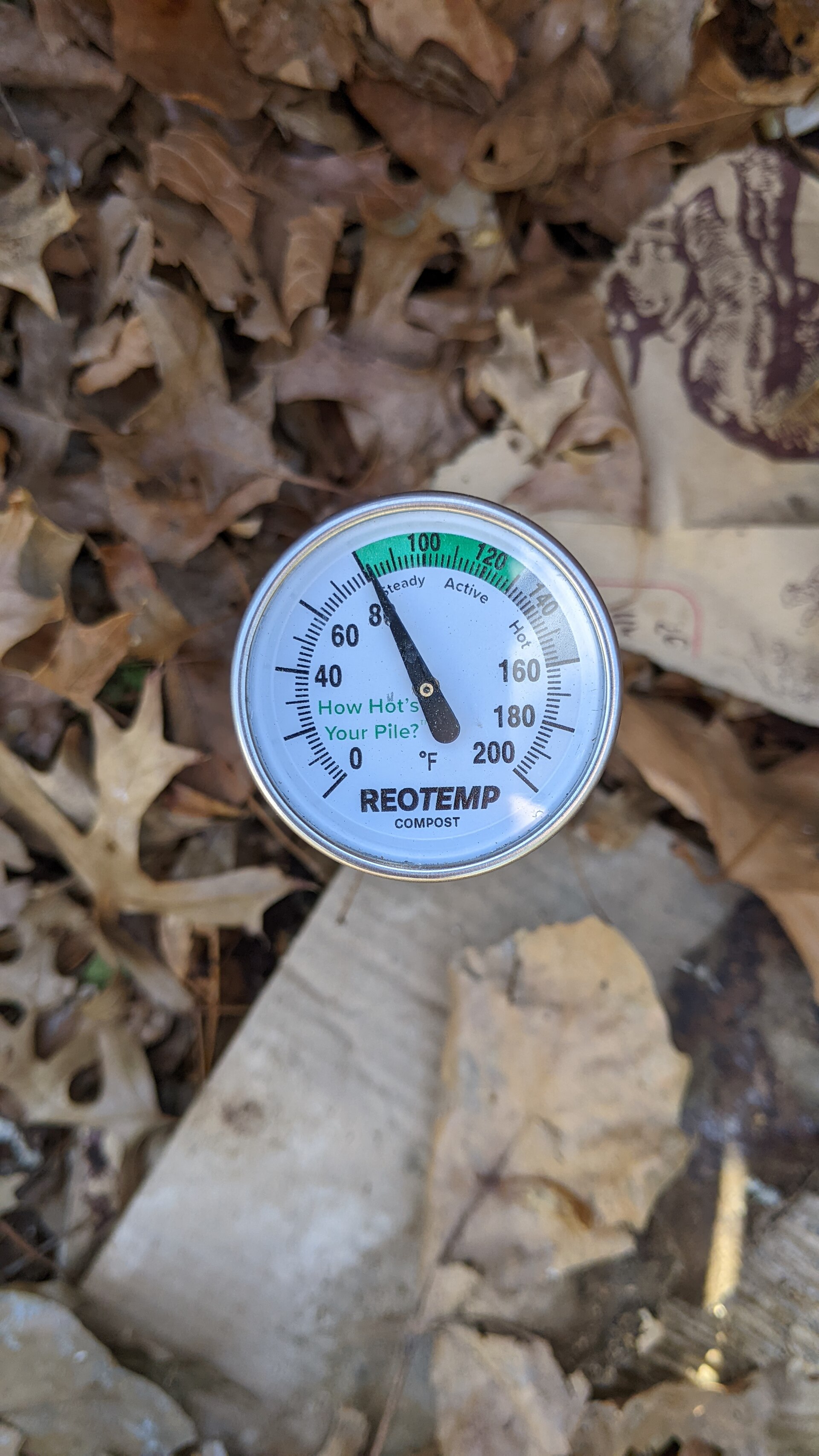
The thermometer showdown is where this site started: six dials compared on hermetic sealing, stem length, and published accuracy. Then the full gear list.
Read the showdown →The four articles
Introduction to Compost Culture
The whole model in one sitting: what composting actually is, the microbial succession story, the key players, the four factors that determine success, and how to build your first one.
Read the introduction →Microbial Succession in Composting
Who eats what, in what order: the community handoff from mesophiles to thermophiles to fungi — and what each phase is asking of you. The article that turns “pile” into an ecosystem.
Read the succession piece →The Compost Thermometer Showdown
Six dials from $15 to $60, tested on hermetic sealing, stem length, and published accuracy. The difference was in the build, not the marketing — the method is the reproducible part.
Read the showdown →Hot vs Cold vs Bokashi
Three different processes wearing the same hat: an honest comparison of speed, sanitation, and odor — including when each one is the wrong choice for your yard.
Read the method comparison →The practical guides
The science, turned into a schedule. Each one ends at the gear it needs.
Vermicomposting, step by step
Six steps for a worm bin that eats your scraps all year: the feed-rate math, the moisture and temperature numbers, siting the harvest, and the troubleshooting table by smell.
Read the worm guide →Hot composting, week by week
The thermophilic method run as a process: the build ratios, the 131 °F sanitation hold, the turning cadence, and the cure where finish quality is actually decided.
Read the hot-pile guide →Compost tea: what the evidence says
The hype and the dismissal, with the middle ground between: what an aerated compost extract reliably does, why the airstone is the entire difference, and a 5-gallon recipe.
Read the tea guide →From science to gear
Every article ends at a purchase decision. This is where each one lands.
Worm bins
Article 01’s biology, in a bin: five indoor worm bins compared, with the worm culture to match — the step-by-step guide to run them, and the first full review of the lineup, the VermiHut Plus 5-tray.
Compare the worm bins →Compost bins
Cold-method hardware: barrels, tumblers, and the no-dig option, sized to the yard.
Compare the bins →Kitchen composters
Six machines from bio-reactor to dehydrator, with three full reviews — the GEME Terra 2, the GEME Pro 19L, and the Reencle Prime 14L — the 3-year cost math inside each.
Compare the machines →Bokashi
The fermentation method from article 04, with the bran-sourcing note the method depends on.
Read the bokashi guide →Biochar
Making the pile’s carbon sink work for you: production methods and how to charge it.
Read the biochar guide →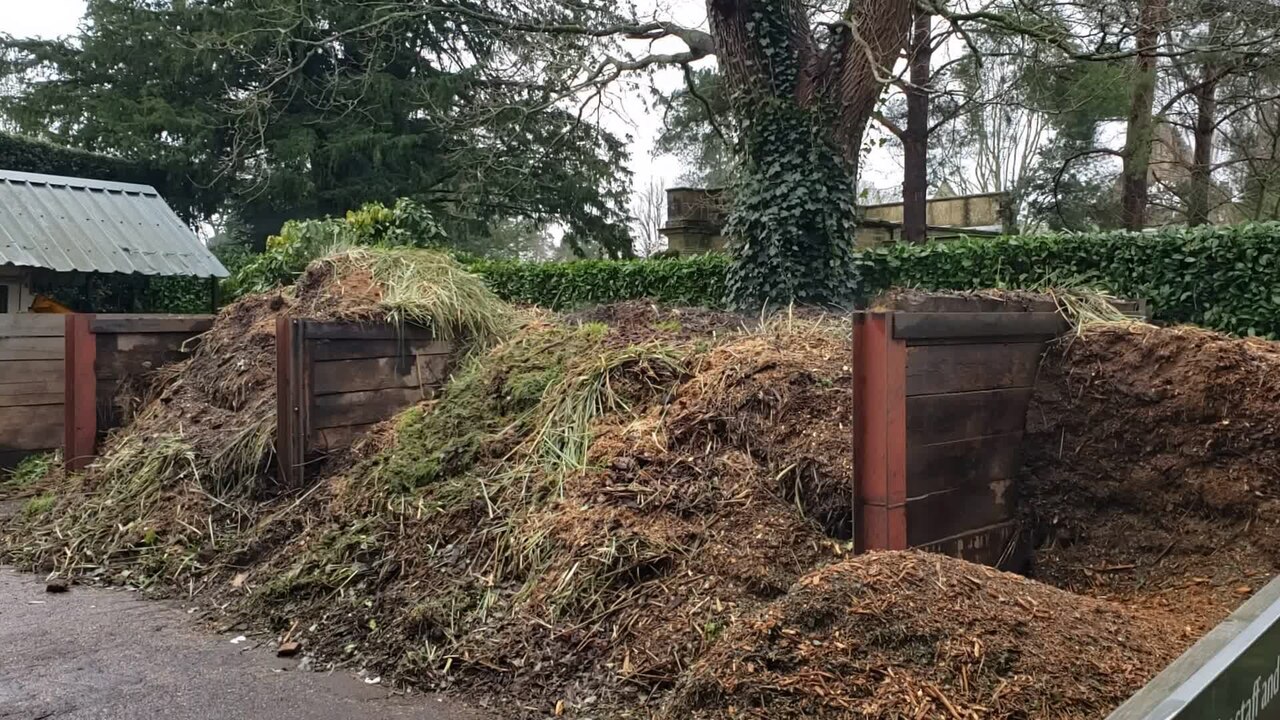
Now go flip a pile.
Affiliate note: links to gear and live worms across the Learn section may earn us a commission at no extra cost to you. We buy and test the gear ourselves; the review stands on the specs, not the link. Full disclosure