Biochar: 5 Bags Compared (and What It Actually Does in Your Pile)
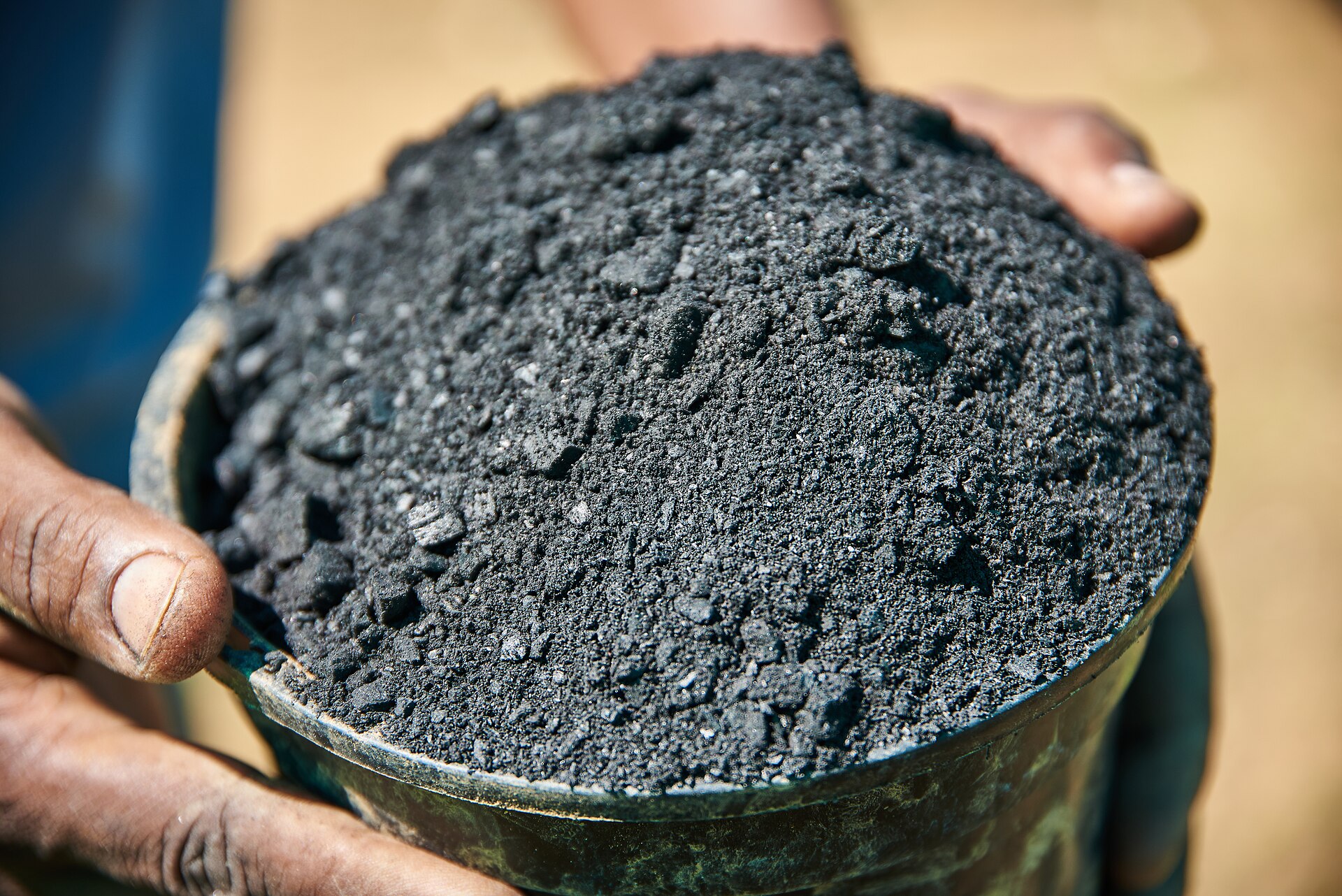
Biochar is charcoal made for the soil, not the fire: pyrolyzed in low oxygen at controlled temperature so the pore structure survives. In a compost system it plays two jobs — a water-holding sponge and protected real estate for the microbial community. The catch most reviews skip is that raw biochar is hydrophobic and temporarily hungry for nutrients, so how it's activated decides whether it helps or hobbles your pile. Here are the five bags you can actually buy, by material, activation state, and coverage.
What biochar does — and what it doesn't
- In the pile: a sponge and a habitat. The pores hold water against drought and give microbes a surface that survives the pH swings a pile goes through. It's an aid to the process, not a fuel — biochar is inert carbon, so it adds no nitrogen and no heat.
- In the soil: the longer game. The research that's most consistent is on soil application — water retention in dry conditions and a stable carbon reservoir that, unlike ordinary compost, isn't re-mineralized in a season. That's the whole terra preta idea in one line.
- The activation problem (read this before buying raw). Freshly made biochar repels water, and its bare pores can temporarily absorb nutrients — including nitrogen — out of the soil around it. Two honest fixes: mix raw char into active or finished compost for a few weeks to charge it, or buy a product that's pre-inoculated or blended with humic acid, which does the activation for you.
- Where to put it. The best use in a home system is as a finisher's additive: folded into the last stage of a batch, mixed into worm-bin bedding, or worked into soil where finished compost is going. Dumping a bag of raw char into a fresh pile is the version that disappoints.
The five bags, spec-for-spec
| Product | Size | Material | Activated? | Coverage | Rating |
|---|---|---|---|---|---|
| Char Bliss 16 qt | 16 qt | Biochar, OMRI Listed organic | No — raw, charge it yourself | General soil amendment | 4.6 (173) |
| FOOP 64 oz | 64 oz (4 qt) | Pine waste, made in USA | Yes — inoculated, fish-manure activated | Per-batch scale | — |
| FOOP 5-gal pail | 15 lb | Pine waste, made in USA | Yes — inoculated, fish-manure activated | 7.5–15 cu ft of soil | — |
| HumiChar 12 lb | 12 lb | Biochar + humic acid blend | Yes — humic acid is the activation | 12,000 sq ft | — |
| HumiChar 40 lb | 40 lb | Biochar + humic acid blend | Yes — humic acid is the activation | Area-scaled (bulk) | 4.7 (4,100) |
"—" means we didn't log a rating at time of research; check the listing. Prices move weekly; the listing behind each link below shows the current price.
The picks
-
01
View Char Bliss 16 qtaffiliate linkBest first bag — Char Bliss Organic Biochar, 16 qt
The cheapest honest entry: 16 quarts of raw biochar that's OMRI Listed for organic use, at a price per quart the activated products don't match (4.6 stars across 173 ratings, 300+ bought in the last month). It's raw, which is a feature if you understand the one rule: charge it first — mix it into a working pile or a bucket of finished compost for a few weeks, or soak it in compost tea, before it meets your garden beds. For a householder who already runs a pile or a worm bin, that's a free step, and this bag does the rest.
-
02
View FOOP 64 ozaffiliate linkBest zero-effort activation — FOOP Organic Inoculated Biochar, 64 oz
Pine-waste biochar made in the USA that's already inoculated and activated with fish manure — the step that separates "helps" from "temporarily starves" is done for you. The 64-ounce bag is the right scale for one compost batch or a set of raised beds: you work it into the soil or the final inch of a batch and walk away. It's the pick when you don't have a pile to charge it in, or don't want to manage the activation step yourself.
-
03
View FOOP 5-Gallon Pailaffiliate linkBest for a season's beds — FOOP 5-Gallon Pail, 15 lb
The same activated pine biochar at bulk scale — a 15-pound pail rated for 7.5 to 15 cubic feet of soil, which covers a garden of multiple raised beds or a small backyard patch in one purchase. If you've been buying 64-ounce bags all spring and running out mid-season, this is the same product with the per-pound math fixed. Same made-in-USA, fish-manure-activated spec as the bag above.
-
04
View HumiChar 12 lbaffiliate linkBest for lawns & large areas — The Andersons HumiChar, 12 lb
A different formula: biochar blended with humic acid from The Andersons, the fertilizer company — and the humic acid is what makes this bag "activated" by design, because humic acid is the nutrient-transport chemistry that offsets raw char's hunger. The 12-lb bag is rated for 12,000 square feet, which is a lawn-scale application in a spreader or a generous season of garden beds. It's the pick when the target is an open area rather than a pile.
-
05
View HumiChar 40 lbaffiliate linkBest bulk buy — The Andersons HumiChar, 40 lb
The most-reviewed product in this whole category — 4.7 stars across roughly 4,100 ratings — in the largest size: 40 pounds of the biochar-plus-humic-acid blend. At that quantity the per-square-foot cost drops below anything else here, and it's the bag that makes sense for a whole lawn, a commercial-scale bed program, or anyone who's been converting their ground-cover to compost-based soil and wants the char layer to go with it. It's a 40-lb bag — plan the storage.
The five links above are Amazon affiliate links. We may earn a commission if you buy through them, at no extra cost to you.
Use the char right
- Raw means activate first. Mix into active or finished compost for a few weeks, or soak in compost tea. Buying pre-inoculated or humic-blended (FOOP, HumiChar) skips this step.
- Wet the raw before it meets soil. Dry raw char is hydrophobic — pre-wetting is the minimum if you're charging it yourself.
- Mix, don't mound. A handful to a cup or two per 10 gallons of compost, or the coverage rate on the bag for soil. Concentrated pockets are what draw the temporary nutrient-hunger.
- It's carbon, not food. Biochar doesn't feed plants. The humic acid in HumiChar adds some of that chemistry; the char itself is the house the microbes live in.
- It stays. Unlike compost, which respires its carbon back out within a season, biochar is stable for decades in soil. That's the reason to use it, and why one application is a long-term decision — do it where you'll actually keep gardening.
Affiliate disclosure: the product links on this page are Amazon affiliate links. We may earn a commission if you make a purchase at no extra cost to you. Every pick above is labeled "affiliate link" at the point of purchase. Full disclosure.